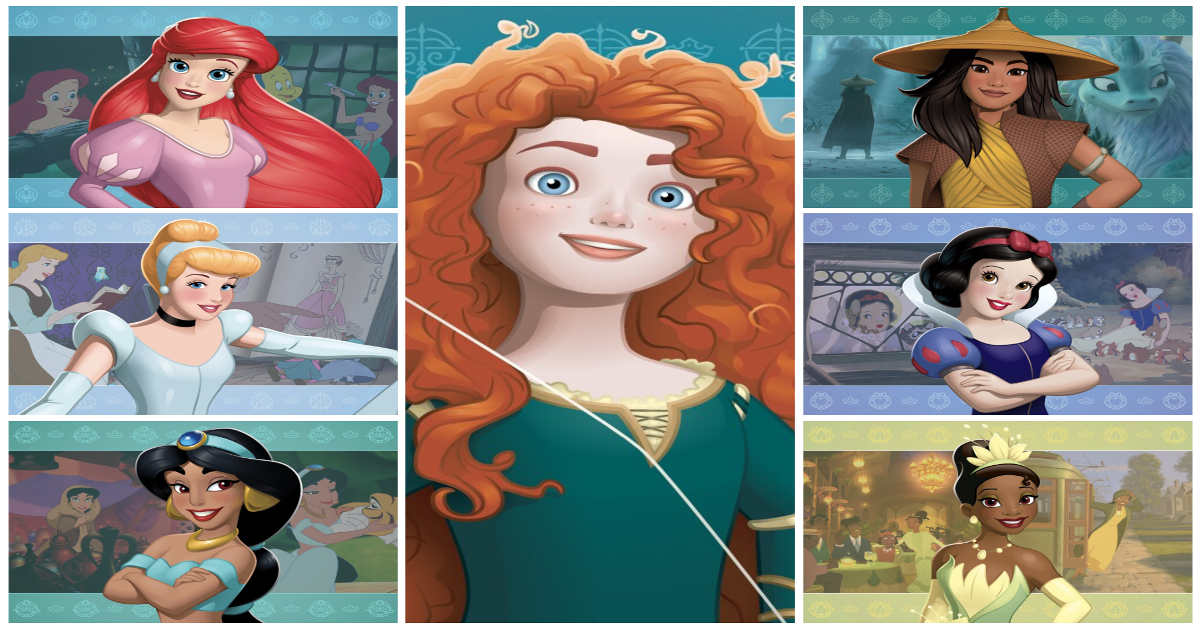
Disney Princesses are more than fairytale royalty. Throughout decades of animated storytelling, these characters have influenced how viewers see heroism, generosity, independence, and destiny. While Disney has presented numerous regal and heroic heroines, only 13 are officially designated as Disney Princesses under the core franchise name.
This article discusses all 13 official Disney Princesses, concentrating on their stories, roles in respective films, and why each is important to Disney’s narrative tradition. Rather than rating or summarizing superficial information, this guide investigates how each princess fits into the changing identity of Disney storytelling.
What Makes a Disney Princess “Official”?
Not all royal characters are automatically included in the official Disney Princess roster. Disney has particular criteria that consider storyline value, cultural effect, and franchise identification.
An official Disney Princess typically:
- Plays a central role in her film’s story
- Belongs to a royal family or becomes one through marriage or leadership
- Embodies values that align with Disney’s storytelling themes
- Exists within Disney’s animated canon
Characters like Elsa and Anna, despite being royalty, are marketed separately due to the massive independent success of the Frozen franchise. The following 13 princesses form the core, officially recognized lineup.
1. Snow White – The Beginning of It All
Snow White is remembered as Disney’s first princess and the principal heroine of Snow White and the Seven Dwarfs (1937). Not only is she the first Disney Princess, but she also serves as the foundation for the whole Disney animation tradition.
Snow White’s character is distinguished by warmth, hope, and steadfast benevolence. Despite being forced to depart her own realm, she does not become resentful or scared. Instead, she establishes a sense of belonging wherever she travels, caring for the Seven Dwarfs and trusting that goodness would triumph over cruelty.
From a narrative standpoint, Snow White conveys the concept that kindness may be strong. Her faith in people and belief in happy endings established the emotional tone for subsequent Disney films. Without Snow White’s success, the Disney Princess brand would not exist.
2. Cinderella – Hope Through Endurance
Cinderella’s narrative is about emotional resilience and silent strength. Living amid chronic maltreatment, she never lets cruelty define who she is. Instead, she retains the conviction that compassion and patience are meaningful.
Cinderella, unlike other daring princesses, does not revolt against her circumstances. Her quest emphasizes endurance and self-worth. She continues to dream, not because she is foolish, but because hope is her means of survival.
Cinderella’s metamorphosis resonates across generations because it seems earned. Her narrative teaches viewers that tenacity combined with compassion may transform even the most dismal conditions.
3. Aurora – Destiny and Dual Identity
Aurora, also known as Briar Rose, has a unique position in Sleeping Beauty. Her tale revolves around fate, protection, and identity.
Aurora is raised apart from her regal upbringing and explores the world as a regular girl, unaware that she has a royal destiny. This dual life deepens her character, despite the fact that most of the narrative focuses around factors beyond her control.
Aurora epitomizes the concept of fate in Disney stories, where goodness triumphs against evil magic and inevitability.
4. Ariel – Curiosity and Transformation
Ariel, from The Little Mermaid, marks a watershed moment in Disney princess narrative. She is motivated by curiosity and a desire to understand a world beyond her own.
Her narrative is about choices and consequences. Ariel deliberately alters her fate, taking risks to achieve freedom and individuality. This sense of agency sets her apart from previous princesses.
Ariel’s legacy is her desire to challenge limits, giving her a bridge between classic fairy-tale heroines and contemporary protagonists.
5. Belle – Intelligence and Compassion
Belle stands out because she values knowledge and inventiveness. In Beauty and the Beast, her love of literature represents inquiry and emotional depth.
Her bond with the Beast is based on understanding, not looks. Belle’s strength is her ability to look past fear and fury, discovering compassion underlying the solitude.
Belle redefined what it meant to be a princess by emphasizing emotional intelligence and self‑respect as heroic traits.
6. Jasmine – Voice and Independence
Princess Jasmine questions the notion that royalty should remain silent or subservient. In Aladdin, she desires the freedom to pursue her own destiny.
Although Jasmine is not the film’s main protagonist, her impact is apparent. She speaks out against injustice and takes charge of her destiny.
Jasmine reflects a move toward princesses who actively challenge traditional norms, making her a symbol of independence in Disney’s shifting tales.
7. Pocahontas – Connection and Responsibility
Pocahontas teaches concepts like cultural understanding and environmental stewardship. Her tale revolves around communication rather than conquest.
As a leader’s daughter, she strikes a balance between personal independence and duty to her people. Her decisions influence not just her personal fate, but also the future of her town.
Pocahontas expanded Disney princess stories beyond fairy tales, grounding them in themes of diplomacy and coexistence.
8. Mulan – Courage Beyond Tradition
Mulan is not a descendant of royalty. She becomes a princess via valor, not birth or marriage.
Her tale is with honor, sacrifice, and identity. Mulan defies traditional expectations by taking her father’s place in combat, demonstrating that courage is what constitutes leadership.
Mulan’s legacy is one of empowerment, demonstrating that heroism is derived from action and character, not titles.
9. Tiana – Ambition and Purpose
Tiana, from The Princess and the Frog, is characterized by ambition and discipline. Her goal of running a restaurant fuels her entire trip.
Unlike many other princesses, Tiana’s narrative stresses work ethic and responsibility. Love enhances rather than replaces her aims.
Tiana changed the princess myth by portraying success as something gained through hard work and determination.
10. Rapunzel – Freedom and Self‑Discovery
Rapunzel’s journey in Tangled is about solitude and progress. She was raised isolated from the world and yearns for experience and truth.
Her quest is emotional as well as physical. Rapunzel learns to believe in herself, challenge authority, and develop her own identity.
She exemplifies the value of self-discovery and the bravery needed to venture into the unknown.
11. Merida – Choice and Consequence
Merida defies tradition in Brave by disregarding expectations set on her.
Her tale revolves around family dynamics and personal responsibility. Instead of romance, the story focuses on understanding and healing relationships.
Merida represents individuality and accountability, emphasizing how independence must be combined with sensitivity.
12. Moana – Leadership and Legacy
Moana’s voyage is about restoring equilibrium. The ocean chose her, and she is responsible for preserving her people.
Her tale focuses on leadership, courage, and cultural heritage. Moana seeks insight rather than escape.
She represents a modern Disney princess who is characterized by her mission and historical significance.
13. Raya – Trust and Unity
Raya is the latest addition to the official lineup. Her tale is around regaining trust in a divided society.
Raya’s struggles as a warrior and leader are mostly emotional in nature. She must understand that unity involves vulnerability.
Raya exemplifies Disney’s current emphasis on cooperation, forgiveness, and shared responsibility.
How Disney Princess Stories Have Evolved
Early princesses emphasized hope and destiny, whereas modern figures prioritize choice, leadership, and self-identity. This progression reflects shifting cultural values and narrative goals.
The change from passive to active leadership reflects Disney’s expanding emphasis on empowerment and variety of experience.
Why These 13 Princesses Still Matter
Together, these characters represent a history of Disney’s creative development. Each princess represents the era in which she was created while also teaching everlasting values.
They survive because their stories deal with universal themes like hope, bravery, love, responsibility, and progress.
➔ The 13 official Disney Princesses embody more than just cartoon nobility. They are storytelling milestones that show how Disney’s stories have progressed throughout time.
From Snow White’s delicate benevolence to Raya’s plea for togetherness, each princess offers her own voice to a common history. They continue to inspire audiences by demonstrating that strength comes in various forms, and that every narrative has the potential to change the world.